Facing a diagnosis of pancreatic cancer is a shock beyond comprehension. Facing and coping with what to expect both during and after treatments is daunting. Our focus is easing distress of physical and emotional obstacles leading to improved quality of life.
Share inspiration with peers who have walked the same paths.
Help newly diagnosed patients cope with issues that lie ahead.
A community of patients can be an immense support to each other.
Reduce anxieties. Absorb the sense of purpose by helping others.
Family, spouses, and loved ones are the unsung heroes of caregiving, providing essential support to patients and survivors as they navigate both physical and emotional challenges. While their role is invaluable, it can also be overwhelming. Just as they prioritize the well-being of their loved ones, it is equally important for caregivers to care for themselves, seek support, and connect with others who share similar experiences.
Caregiver members can share advice from the community.
Learn the importance of taking care of yourself.
The importance of asking for help from other family members.
To give quality help, do whatever refreshes and renews you.
A Community Of Pancreatic Cancer Patients, Survivors and Caregivers
We run dedicated meetings focusing on wellness, hope, and inspiration. We are committed to helping our members heal and thrive in every respect – from the physical to the emotional and everything in between.
Our Meeting Schedule
We offer five online support sessions each month, designed to meet the needs of patients, caregivers, and loved ones affected by pancreatic cancer.
Newly Diagnosed Patients Meeting 1st Tuesday & 2nd Monday For individuals within 18 months of diagnosis
Caregivers-Only Meeting 3rd Monday A dedicated space for caregivers to connect and receive support
General Support Meeting 3rd Tuesday & 4th Monday Open to all individuals affected by pancreatic cancer
Special Topic Sessions Held occasionally and feature guest subject-matter experts
One of The World’s Longest Living Pancreatic Cancer Patients
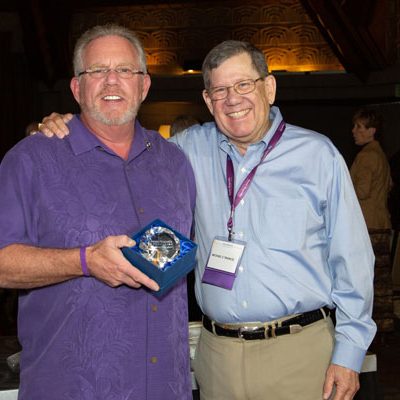
“I’ve survived a very long time after first being diagnosed with pancreatic cancer. It is important that my story is being told because people need to know that a diagnosis of the worst of cancers does not mean an automatic death sentence. Patients are living longer as medical advancements occur at a more rapid pace. Sustaining hope and courage is so important.”
Michael Francis
Everyone Must Become Their Own Health Care Advocate
Michael came to the attention of the Magowitz Foundation through the staff members at HonorHealth Research Institute. “This is a really tough thing I’m dealing with, but you’ve got two choices,” Michael said. “You can either crawl up into a ball, go to a corner and die, or you can have a good attitude about it and fight. I don’t choose to crawl up into a ball anywhere.”
Patrick Theriault, M.D.
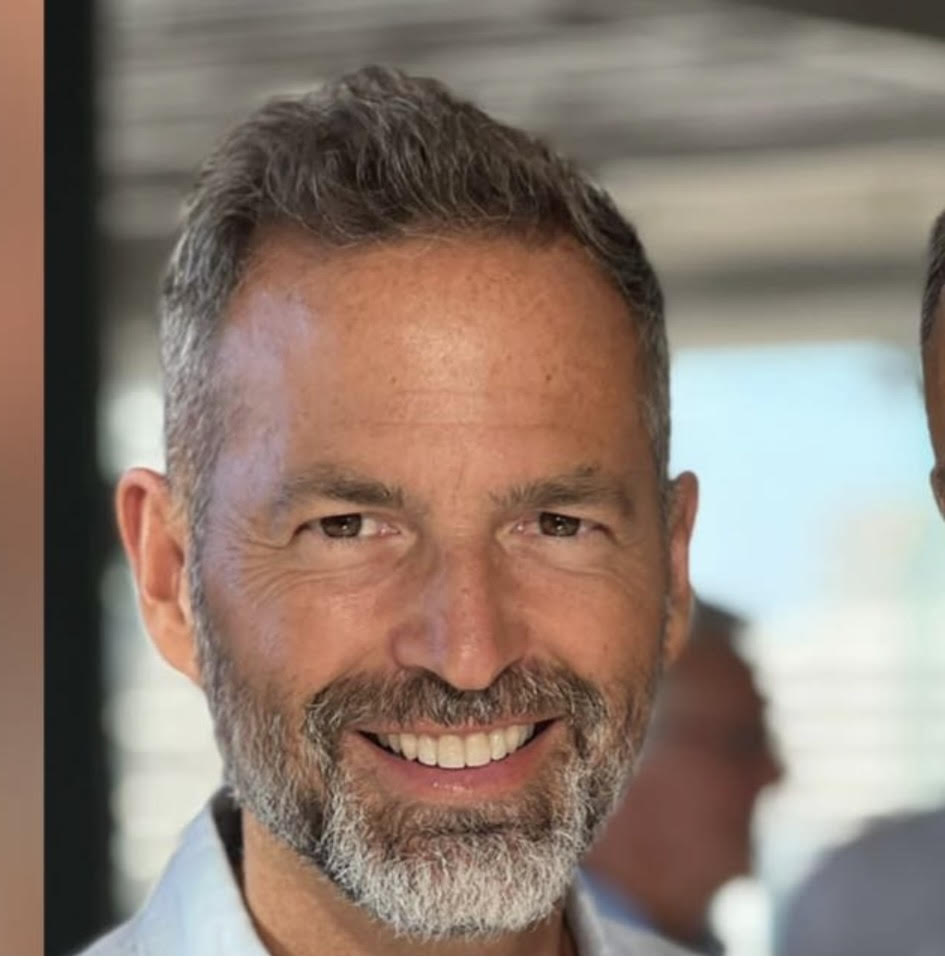
As an eight-year pancreatic cancer survivor, Patrick Theriault knows firsthand just how troubling and anxiety-inducing a serious medical diagnosis can be. That unique position allows him to help others navigate similar health hurdles as the host of the Seena Magowitz Foundation’s virtual “Support for Survivorship” group for newly diagnosed patients. While his own experiences with chemotherapy, radiation, and surgery have given him a close and personal understanding of the plight of those facing pancreatic cancer, he’s also a family physician and ER doctor, so he knows how to break down complex medical terminology and address patient concerns with a combination of knowledge, understanding, and compassion.
Patrick also serves as living proof that survival is possible, offering support group participants who may be reeling from a recent diagnosis comfort, hope, and reassurance that they’re not alone in their struggles. He also understands the role of support groups from the patient perspective, having himself benefited greatly throughout his seven-year journey with pancreatic cancer.
Now, in his role as a support group host, Patrick seeks to create an open, comfortable atmosphere where group members ask questions, share experiences, and swap stories about emotional struggles, medication side effects, and other sensitive subjects they may not wish to discuss elsewhere. He also welcomes those who may want to act as “passive participants,” encouraging them to listen in or leave their cameras off until they feel comfortable engaging themselves.
Finally, Patrick hopes each support group participant steps away from each session feeling less alone, more hopeful, and better-equipped to communicate with care teams and otherwise navigate their pancreatic cancer experiences with knowledge, strength, understanding, and support.
Theresa Stern Valentic
As an 18-year survivor of pancreatic neuroendocrine cancer, Theresa Stern Valentic brings rare insight developed through time and experience to her role as a host of the Seena Magowitz Foundation’s virtual pancreatic neuroendocrine cancer support group. While she understands the medical struggles that accompany a diagnosis, she’s also well-versed in the emotional repercussions, helping others facing health challenges recognize that knowledge is power and survivorship is possible. While many people with pancreatic cancer don’t know anyone else with the disease, this didn’t hold true for Theresa. Long before her own diagnosis, her mother, Melody, battled – and beat – the same condition, with both Melody and Theresa having successful surgeries at the hands of Stanford’s Dr. Jeffrey Norton, the same surgeon who treated Apple co-founder and CEO Steve Jobs.
For Theresa, her cancer diagnosis was one in a long line of health challenges, many of which stemmed from a genetic mutation known as multiple endocrine neoplasia Type 1, or MEN1. Theresa also has hyperparathyroidism, which increases the chances of kidney stones – but in Theresa’s case, also proved life-saving. Had she not sought treatment for kidney stones, doctors might not have identified her cancer in time. Recognizing the roles that luck and circumstance played in her cancer journey, Theresa now helps others by sharing resources, lending a listening ear, and providing a unique perspective from someone who’s been there. An artist and former technology professional, Theresa holds a Master’s degree in psychology and a minor in mind, body and medicine, giving her the tools and empathy she needs to advocate successfully for the pancreatic cancer community.
Mark Ruegg
As one of two hosts of the Seena Magowitz Foundation’s virtual pancreatic neuroendocrine cancer support group, Mark Ruegg makes a point of creating a safe and inviting space where participants can exchange resources, discuss shared experiences, and find new reasons to stay positive, motivated, and hopeful. As someone with firsthand knowledge of the subject matter after receiving his own rare Stage 4 pancreatic neuroendocrine carcinoma diagnosis in late 2023, Mark understands and identifies with the questions and concerns many people with pancreatic neuroendocrine tumors face and relies on humor, encouragement, and warmth to support healing and inspire hope.
Initially told his condition was inoperable and incurable, Mark refused to accept this, instead seeking additional opinions from six different doctors and modifying his lifestyle to make his environment as healthy and supportive as possible. By merging traditional Western medicine with Eastern approaches and practices, Mark created what he called a “healing bubble,” making nutrition, meditation, and mindfulness central parts of his day-to-day life. Now cancer-free, Mark lives in the Los Angeles area alongside his beloved wife, Buffy, and works as a “child wrangler” on Hollywood sets, a career he finds both fulfilling and meaningful. He’s also proud to “pay forward” the hope and help others gave to him along the way, drawing from an innate sense of optimism, compassion, and understanding to support people facing, managing, and rebuilding after pancreatic neuroendocrine cancer.
Sean Kellman, 8-Year Caregiver
Sean Kellman, a caregiver for eight years, has become an advocate and support figure for individuals and families battling pancreatic cancer. Through his personal journey and experiences, Sean has gained a profound understanding of the emotional and practical challenges caregivers face. His recommendation for his loved one and pancreatic cancer survivor Patrick Theriault to reach out for help underscores his proactive and compassionate approach in seeking the best possible outcomes for those affected by pancreatic cancer.
Steve Merlin, 13-Year Survivor
Nearly 13 years after his own pancreatic cancer diagnosis, Steven Merlin continues to defy expectations – and deepen his commitment to helping others do the same. As the moderator of several of the Seena Magowitz Foundation’s virtual pancreatic cancer support groups, Steven draws upon his background as a medical technologist and his knowledge of clinical cancer and immunology research to show participants that, contrary to popular belief, pancreatic cancer can be manageable and survivable.
While Steven didn’t set out to oversee a support group, that changed after a social worker invited him to share his own survival story at a support group hosted by Columbia University. Now, he seeks to alleviate common misconceptions about what a support group is and does by sharing knowledge, simplifying complex medical terminology, and creating a comfortable, welcoming space for participants. From encouraging patients to see specialists at high-volume cancer centers to educating them about genetic and genomic testing, which can open doors to targeted therapies or clinical trials, Steven makes a point to show patients the potential for progress. He also teaches them about lesser-known issues that can impact quality of life and highlights how pancreatic cancer is well on its way to becoming a chronic, manageable disease, much like diabetes in the 1920s and breast cancer in the 1980s and 90s.
Bonnie Cohen, 7-Year Survivor
Diagnosed with pancreatic cancer at 73 in June 2019, Bonnie Cohen, now 79, refuses to let pancreatic cancer control her.
Currently retired after spending more than 50 years in healthcare, Bonnie spent most of her time in pathology labs. There, she specialized in histotechnology, which involves processing tumors or biopsies for microscopic observation by pathologists, who then report results to oncologists. Despite her retirement, she maintains active state licensure and national certification as a histotechnologist, and she remains involved in her state professional society, where she serves on the Board of Directors.
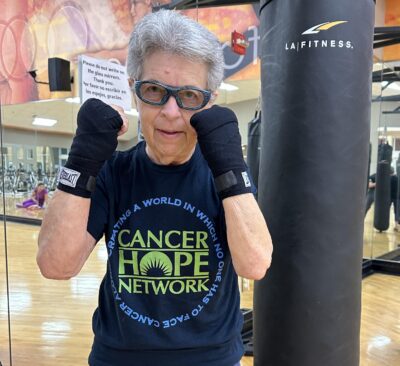
These days, Bonnie serves as a pancreatic cancer mentor for the Cancer Hope Network and the 4th Angel Mentorship Program, sponsored by the Cleveland Clinic, in addition to her role as a co-host of the Seena Magowitz Foundation’s Support for Survivorship group for the newly diagnosed. Always eager to support her fellow warriors, Bonnie offers them the same encouragement, hope and support that helped her navigate her own diagnosis.
Outside of volunteering, Bonnie prioritizes physical fitness, spending several days each week practicing Mixed Martial Arts (Muay Thai) and working with a trainer on total body strength and conditioning. She also strives to help others come to the same realization that she did: that a diagnosis does not mean the end of one’s story.
Greg Adams, 8-Year Survivor
Greg Adams hosts the Support for Survivorship group for people newly diagnosed with pancreatic cancer, drawing on his experience as a survivor and background in memory, learning, human behavior and psychology. He holds a Ford Foundation research degree and contributed to 18 clinical trials and research studies, and today, his efforts include researching life, post-Whipple and developing a “Life After Whipple” patient resource.
Diagnosed with adenocarcinoma in 2018, doctors gave Greg a 1% chance of survival. His diagnosis came after requesting pancreatic cancer testing 27 times from 21 doctors over six years, only to hear that he was “too healthy” to justify the tests.
Initially staged at “3B,” doctors upgraded Greg’s diagnosis to Stage 4 during his first Whipple surgery, which wasn’t surprising given that 11 members of his family had died from this disease. Unwilling to accept his prognosis, Greg immersed himself in research, becoming a fierce advocate for his own care. After receiving six second opinions from specialists nationwide, his odds increased to 2%, with one opinion coming from Henry Ford Health in Detroit Michigan, where Greg ultimately had treatment.
Originally classified as “non-resectable,” Greg started chemotherapy using FOLFIRINOX and participated in an MRI-guided, focused radiation clinical trial. Both treatments were successful enough to allow surgery. The first Whipple removed the head and neck of Greg’s pancreas, but the tumor had grown through the pancreas and into the blood vessels, leading to the Stage 4 reclassification. The second Whipple removed the tail of the pancreas, with more chemotherapy following it.
Now, eight years post-diagnosis, Greg is sharing the lessons he’s learned to help others facing pancreatic cancer. He hopes every support group participant leaves with a strong sense of camaraderie and the confidence that no question asked will end with “I don’t know,” but rather, “Let’s find out.”
Pancreatic Cancer SOS Moderators
Perry Francis
Focused On Helping Others To Cope With Facing Pancreatic Cancer
Dr. Perry C. Francis is a professor emeritus from Eastern Michigan University, where he taught, supervised graduate students, and practiced counseling for over 19 years. He is now happily semi-retired and maintains a part-time private practice in Ypsilanti, Michigan. He has been practicing counseling for over 25+ years, providing care for those who cannot afford services. Perry noted recently, “Moderating our groups has been a great joy, especially when I get to witness members care for one another, share valuable information, and bring a sense of calm in another wise overwhelming situation.
Jennifer Sander, LPC, CCTP, CCFP
Offers invaluable support to caregivers navigating the complexities of caring for loved ones with pancreatic cancer.
Jennifer Sander is a distinguished Licensed Professional Counselor, Certified Clinical Trauma Professional, and Certified Compassion Fatigue Professional. Her expertise and compassionate approach have positioned her as a leading figure in supporting and guiding individuals facing life’s challenges, including those affected by cancer. With her deep understanding of trauma and compassion fatigue, Jennifer brings a unique perspective to the Pancreatic Cancer SOS initiative, offering invaluable support to caregivers navigating the complexities of caring for loved ones with pancreatic cancer.
Cynthia Paul, LPC, ACS
As the moderator for three of the Seena Magowitz Foundation’s patient support groups, Cindy Paul, LPC, ACS, brings both professional expertise and personal experience to the position. A licensed counselor with a background in mental health, substance abuse, and general counseling, Cindy’s own mother also battled cancer before passing away several years ago, leaving her with considerable empathy and a deep personal understanding of the toll a cancer diagnosis can take on both patients and their loved ones.
Cindy’s first professional role was as a special education teacher, where she developed an appreciation for helping and supporting others before realizing that her true passion lay outside the school system. She soon returned to a student role, herself, securing a Master’s in Counseling before spending several years working for a methadone clinic in New Jersey. Cindy then transitioned to case management at the National Center for Advocacy and Recovery (NCAAR) and has served as a care coordinator for five years. She was promoted to a supervisory role two years ago. Cindy also launched her own private practice in 2023.
In her role as group moderator for the Seena Magowitz Foundation, Cindy has established several clear goals. For starters, she seeks counter the pervasive, yet increasingly inaccurate, belief that a pancreatic cancer diagnosis is a death sentence. She also wants to encourage hesitant patients to try support groups, noting that they can simply log in and listen if they’re unsure about speaking up or participating. She also wants to recognize the important role a caregiver plays in a pancreatic cancer journey, acknowledging and countering the “caregiver strain” that can develop when caregivers neglect their own needs to focus solely on those of their loved one.
Finally, Cindy strives to approach her work with warmth, honesty, and humor. While she can’t promise support group participants that the road ahead will be a smooth one, she can help encourage people with pancreatic cancer to embrace each new day, helping them face whatever lies ahead with strength, support, and even a little bit of laughter.
Erin Thomas, pNET/pNEC PCSOS Group Moderator
When Licensed Professional Counselor Erin Thomas stepped up as a moderator for the Seena Magowitz Foundation’s pancreatic neuroendocrine tumor and pancreatic neuroendocrine carcinoma virtual support groups, she did so for reasons that were not just professional, but personal. In practice since 2014, Erin completed undergraduate studies at the University of Arizona before securing a Master’s degree from the University of Northern Colorado, in the same region she now lives alongside her husband and two daughters.
While Erin’s education and training set the tone for a safe, beneficial support group, her motivations for helping others navigate the intricacies and challenges of a pancreatic neuroendocrine diagnosis stem from lived experience. Her brother, Matt McLain, is not only the Seena Magowitz Foundation’s Director of IT, but also a five-year survivor of Stage 4 pancreatic cancer – and a direct beneficiary of a clinical trial the foundation helped fund. What started as a way to support an organization that had her brother’s back has since grown into a family-wide commitment to the community, with Erin serving as a knowledgeable resource who understands both the clinical realities and the vulnerability and uncertainty that often accompany such a serious medical diagnosis.
Nicole Normandin Rueda, LMSW
Nicole Normandin Rueda is joining the Seena Magowitz Foundation as group moderator for newly diagnosed pancreatic cancer patients. She brings a deep, personal commitment to this work. Her path into pancreatic cancer advocacy started at home. Nicole’s father, Michael “Moose” Normandin, was diagnosed with Stage IV pancreatic neuroendocrine tumors. He lived with the disease for seven years before passing away in 2013. That experience shaped everything that followed, including her decision to build a career around it.
Nicole is a licensed master social worker with clinical roots in oncology. She trained in pediatric oncology and hematology at Texas Children’s Hospital and earned her Master of Science in Social Work from the University of Texas at Austin. While there, she served as president of the school’s PanCAN student chapter and was an active volunteer for several years. That same commitment carried into her career, and she now serves as Communications Director at the Patient Empowerment Network, a national nonprofit reaching over 900,000 cancer patients and care partners each year. Her work spans content, partnerships and education, all built around one idea: patients deserve clear information and a real voice in their own care.
Nicole’s advocacy reaches well beyond any single role. She’s a Board Secretary of the Cancer Survivorship and Supportive Care Professionals Network, an active member of Advocates for Collaborative Education and a participant in the inaugural FDA-GRASP cohort. In 2026, she joined the AACR Scientist<->Survivor Program, connecting patient advocates directly with cancer researchers, and was also named a 2025 “40 Under 40 in Cancer” honoree. For newly diagnosed patients, the first weeks after a pancreatic cancer diagnosis can feel overwhelming and isolating. Nicole knows that fear firsthand, and she is here to make sure no one has to face it alone.

 Contact