

 Contact

Dorla Aparicio
Written By: Julia Brabant, October 2026Living Beyond the Prognosis: Dorla Aparicio Navigates Life With Stage 4 Pancreatic Cancer
Two days before her son’s college graduation, Dorla Aparicio learned she had Stage 4 pancreatic cancer.
Diagnosed May 8, 2024, at the age of 60, Dorla, of Cleburne, Texas, soon learned that the cancer had already spread to her liver, taking surgery off the table. Still trying to process the news, she decided to keep quiet until after her son got his diploma.
“I was just in shock, anyway, so I didn’t feel the need to mess up my son’s graduation weekend,” she said.
I was happy about that at first, because, who wouldn’t want to lose weight?
A few days later, Dorla finally broke the news to her husband and son. They cried together, and her husband told her he wished she had shared the news sooner. Dorla then began telling her parents, siblings, extended family, and friends.
Now, more than two years later, Dorla has endured intensive chemotherapy, a life-threatening blood clot, radiation, severe treatment side effects, a brain metastasis, and a new diabetes diagnosis. She’s also returned to teaching piano, participated in research efforts and a clinical trial, and, for a time, had doctors tell her she had no evidence of disease.
Dorla’s first indication that something was wrong was weight loss.
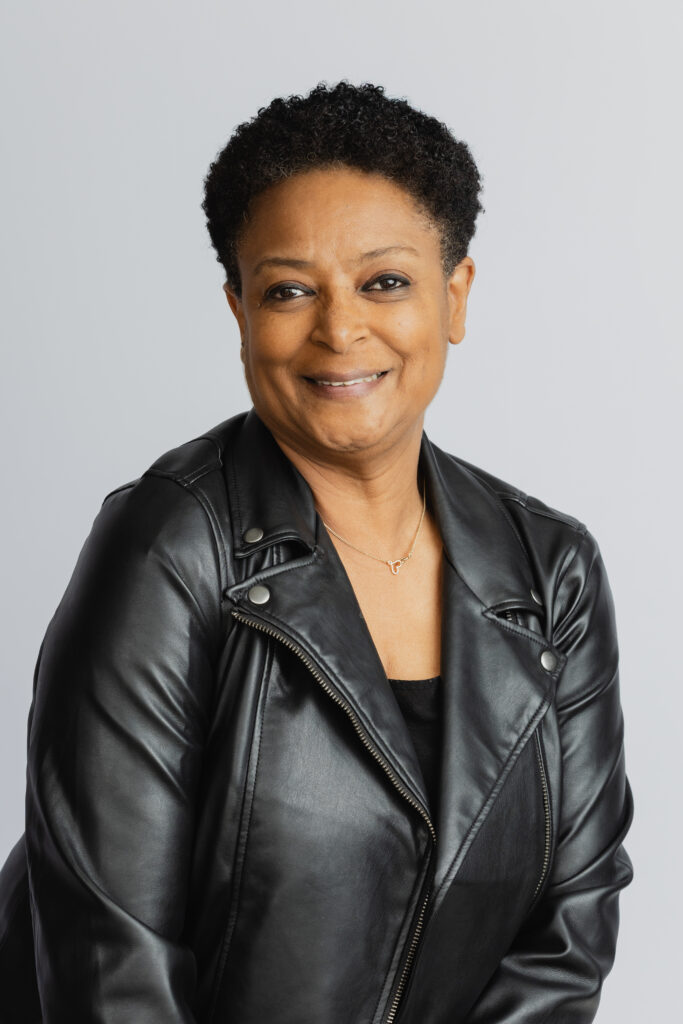
“I was happy about that at first, because, who wouldn’t want to lose weight?” she asked.
Soon, eating left her feeling sick and experiencing what she described as a “bloating” sensation in her back. Then came a persistent, gnawing pain on her right side near her rib that Ibuprofen wouldn’t relieve.
Dorla’s doctor initially recommended stretching and physical therapy, but when the pain was still there a month later, Dorla had an ultrasound and then a CT scan. The results showed an inflamed pancreatic duct and led to an oncology referral and, ultimately, her Stage 4 pancreatic adenocarcinoma diagnosis.
By then, Dorla had become extremely fatigued and continued to lose weight. Learning that she couldn’t have surgery left her wondering how many options she had.
“I really thought that, at Stage 4, there was nothing they could do because I couldn’t have surgery,” she said.
The diagnosis was also difficult to reconcile with how she looked and felt.
I thank my body every day. It’s amazing that my body has been able to handle all this.
“I’d look at myself in the mirror and ask, ‘Is this what Stage 4 cancer looks like?’” Dorla said. “If I don’t say that I’m deathly ill, nobody really knows.”
Dorla also questioned whether chemotherapy made sense when her cancer had already reached Stage 4 and whether going through treatment would just cost her valuable time and money without changing the outcome. One of her friends, a nurse, encouraged Dorla to consider chemotherapy and told her treatment had changed considerably over the years.
“She said the chemo process wasn’t what it was 20 years ago, and she was right,” Dorla said.
Her oncologist told her she might live six months without chemotherapy and, possibly, two years with it. When Dorla asked what she could do herself to stay as healthy as possible, the response hit especially hard.
“There’s nothing you can do,” her then-oncologist told her. “There’s no ‘healing.’”
Dorla decided she needed a pancreatic cancer specialist and a medical team that gave her more confidence. She transferred her care from a smaller regional hospital to UT Southwestern Medical Center in Dallas for a second opinion.
The hospital contacted her quickly and invited her to a lunch with other people with pancreatic cancer and their caregivers. She met members of her new care team and learned how they’d approach her case. Her new oncologist also took a different approach when discussing her future.
“He never once said, ‘You have this long to live,’” Dorla said. “He said, ‘I don’t know how your body will respond to the meds, but we’ll see what happens. The people at UT Southwest have been amazing.”
Before Dorla could begin chemo, another medical emergency arose. She typically walked about two miles most mornings, often with her son, but during one of those walks, she struggled to climb a small hill and had trouble breathing. Later that night, worsening chest pain sent her to the emergency room.
Tests revealed a saddle pulmonary embolism, which is a critical medical emergency where a large blood clot gets stuck at the division point of the main pulmonary artery, blocking blood flow to both lungs.
“You came in just in time, as this is very bad,” her ER doctor told her.
Dorla recovered from the clot and began chemotherapy on June 5, 2024, taking FOLFIRINOX. She completed 10 infusions, but she sometimes needed help just walking out of the building after treatment and spent much of the time between infusions in bed. Severe neuropathy eventually led her medical team to drop one of the drugs during her 10th infusion.
During chemotherapy, Dorla also participated in a research project that measured muscle mass, which sometimes meant undergoing scans earlier than she would have otherwise. Her first scan showed notable tumor shrinkage.
By the time Dorla took a chemotherapy break over Christmas and New Year’s, her hair had mostly fallen out, leading her to get a buzzcut and start wearing wigs. Oral chemotherapy brought a different set of problems, affecting the skin on her hands and feet, darkening her skin and nails, and eventually causing painful mouth sores.
The problems with her hands proved especially difficult because Dorla works as a piano teacher. Her oncologist eventually lowered her dosage, and when her condition improved enough, she went back to teaching.
Her pancreatic tumor eventually shrank and became inactive, leaving lesions in her liver as the remaining detectable disease. That made Dorla eligible for a radiation clinical trial in which participants received different high doses of radiation selected at random. Dorla received a high dose and completed six sessions.
At a follow-up appointment in July 2025, her oncologist told her she had no evidence of disease.
Thrilled and relieved, Dorla began working to regain the 60 pounds she’d lost during treatment and continued teaching piano as much as she could while receiving part-time disability pay.
Then, in July 2026, Dorla had recently returned from the beach when she suddenly lost feeling in her right arm. Her niece and husband called 911, and paramedics on scene initially suspected a stroke. However, a CT scan revealed a brain tumor that had metastasized from her pancreatic cancer.
Dorla’s radiation oncologist told her brain metastases from pancreatic cancer were rare, largely because many people with Stage 4 disease don’t live long enough for them to develop. Her medical oncologist didn’t recommend chemotherapy in her case, so Dorla underwent three sessions of Gamma Knife radiation, which is a noninvasive treatment that targets brain tumors.
“It’s so easy,” Dorla said. “Of all the treatments I’ve had, this has been the easiest. I don’t even have to put on a hospital robe for that.”
Dorla will undergo an MRI in November 2026 to assess the results.
Doctors believed the tumor and surrounding swelling had caused the numbness in her arm and prescribed a steroid to reduce the swelling. Dorla soon developed blurred vision, digestive problems, and extreme thirst and hunger. She knew something wasn’t right and asked her primary care physician for bloodwork because the symptoms were not “her normal.”
Testing revealed elevated glucose levels, and Dorla now has diabetes. Her doctor stopped the steroid, which could have pushed her glucose levels even higher, and Dorla now uses a glucose monitor and medication to manage her blood sugar. She plans to meet with a nutritionist in October and undergo testing in December to determine what type of diabetes she has.
Dorla jokes that she is “collecting silent killers,” including pancreatic cancer, blood clots, and diabetes.
Looking back, she remembers dealing with digestive issues and food sensitivities well before her cancer diagnosis, and she was also pre-diabetic. She’s grateful her primary care physician took seemingly minor symptoms seriously when they wound up being anything but minor.
Dorla also recognizes how fortunate she is to have had so much support throughout her experience. All of her immediate family members live on the same property, making them neighbors, and her 80-year-old mother created a schedule detailing who would stay with Dorla and when, along with a checklist of the vitamins and medications she needed to take. Friends traveled from Tennessee, Michigan, and Mexico to stay with her, and one of them even helped Dorla finish piano instructional books she wanted to complete in case she passed. Local friends stepped up, too.
“I felt 100% supported by family and friends.”
Dorla also finds comfort in the rural setting she calls home.
“I’m very fortunate to live in a place where I can walk out of the house and not hear traffic,” Dorla said. “I can exercise up and down my own driveway. I always feel fortunate; it’s a luxury to be able to walk outside and be in nature, and to be able to rest without having extra noise or stress.”
Genetic testing didn’t reveal an inherited predisposition to pancreatic cancer, although Dorla did learn she had a KRAS mutation.
The experience also convinced her that people diagnosed with pancreatic cancer need access to physicians who specialize in the disease. She urges doctors who don’t specialize in pancreatic cancer to refer those they diagnose to specialists.
“UT Southwest is a research and teaching hospital, and every doctor I’ve encountered there has been amazing,” she said.
At one point, the contrast between Dorla’s original prognosis and the way her new oncologist viewed her case became clear. Dorla learned that some life insurance policies allow those believed to be within six months of death to request a lump-sum payout, which they have to repay if they survive beyond that period.
Dorla considered trying to get the payout, but she first needed her oncologist’s approval, and he refused.
“I knew you weren’t going to die,” the oncologist had told Dorla.
Dorla has now lived beyond the two years another oncologist told her chemotherapy might give her.
She’s also well aware that her condition remains serious. While she reached no evidence of disease in July 2025, the brain metastasis that appeared the following year brought cancer back, and Dorla’s doctors told her they’ll still consider her Stage 4 until she has five years of clean scans.
Still, Dorla tries to live much as she did before cancer while following her doctors’ orders. She tries not to think about the disease except when pills, enzymes, medications, scans, or treatments make that impossible.
Otherwise, there are piano students to teach, a business to run, and time to spend with family and friends. And after everything her body has endured since May 2024, Dorla remains grateful for what it still allows her to do.
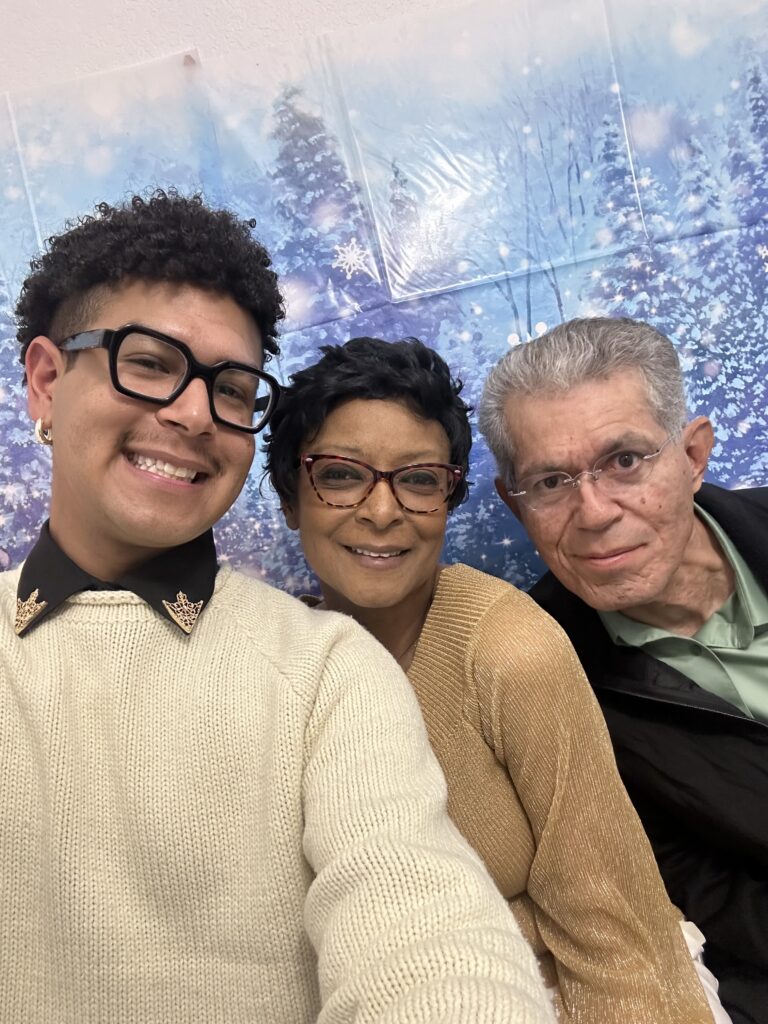
“I thank my body every day,” Dorla said. “It’s amazing that my body has been able to handle all this.”
MORE WARRIOR STORIES
Wayne Mullis
Wayne Mullis: Pancreatic Cancer Patient Story

Theresa Stern Valentic
Two Generations, One Fight: 19-Year Pancreatic Cancer Survivor Theresa Valentic Overcame the Same Condition Her Mother Did Decades Earlier

Dan Winkelman
From Myanmar to Milwaukee, and Now, Alaska: 8-Year Pancreatic Cancer Survivor Dan Winkelman Riding 3,800 Miles to Raise Awareness, Funding for Pancreatic Cancer